NO CASE FOR NEW NUCLEAR IN SCOTLAND
I’ve been through every argument that the nuclear industry makes promoting new nuclear power stations – but scratch the surface and they just melt through the floor.
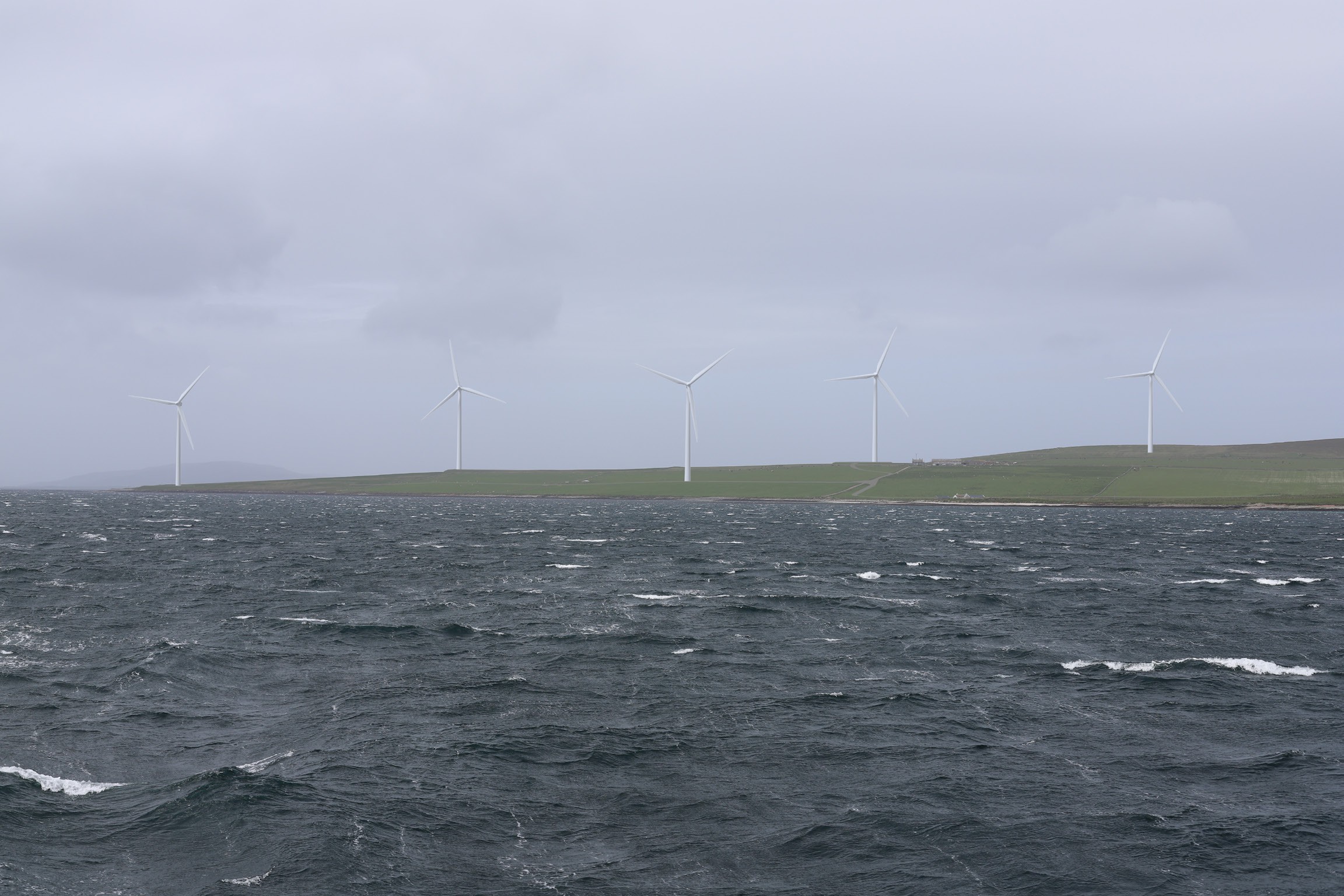
New nuclear is fundamentally not needed – numerous studies, including by Stanford University and renowned energy modellers at LUT show that the UK, and indeed most, if not all, other countries can meet their energy needs with 100% renewables. Politicians’ fears about the wind and sun and the rain and the waves and tides being unable to meet all our needs are misplaced. Renewables, energy storage, energy efficiency and flexible power with a modern upgraded grid can do it all – cheaper, quicker, safer and a hell of a lot cleaner, and create many more thousands of jobs.
The cost of nuclear power is eye-watering. Look at Hinkley Point C and Sizewell C – nearly £100bn to build them both with massive delays and cost -over-runs. That is enough to install a 5kWh battery in every one of the 28 million homes in Britain, and leave £44bn for other things. Combine that with solar and every home becomes a power station with its own ‘baseload’. Alternatively, £100bn could fund planned upgrades to the grid needed to facilitate large and small renewables, twice over. The Coire Glas pumped hydro storage project in the Highlands could be built 50 times over. £100bn spent on a nuclear-free transition could be revolutionary.
What a renewable based system needs is flexible power, energy storage and a smart, modern grid. Surplus renewable electricity could also be used to generate ”green hydrogen” to generate electricity on calm, dull days. It could also be used to power heavy transport and industry.
Battery systems, including compressed air and pumped storage hydro, alongside vehicle to grid technology, can all be parts of the bedrock of energy security and an energy system that would be cooking with green power 24/7.
Nuclear does nothing to help any of this. Indeed, it is worse, it directly causes wind and solar plants to be switched off when green power is plentiful, because nuclear is so inflexible. Not only does nuclear cost an arm and a leg, it adds cost to the consumer for renewables.
We only have to look at the recent history of nuclear power to see how dangerous and polluting it is. Fukushima remains a slow motion disaster for the region as they scramble to deal with millions of gallons of radioactive water and melted reactor cores. Chornobyl’s 40 year anniversary this week is another timely reminder, that when things go wrong, they can go very wrong. At least when a wind turbine breaks down – you don’t need an exclusion zone for decades and mass public health measures – you just get some engineers with a crane and some spanners to go fix it. And despite what the ‘nuke, baby, nuke’ lobby says, there is no solution for the waste yet, other than to store and guard the most highly radioactive cores for hundreds of years to cool down out of the way somewhere. That’s the solution!
The hype about Small Modular Reactors is just that, hype. In fact, the only two operational SMRs are in China and Russia, and both have been beset by delays and cost increases. The economies of scale are lost, and studies have shown that they produce more highly radioactive waste for the same generating capacity than their slightly larger cousins.
These projects are pure spin, a clever wheeze by industry lobbyists intended to promote nuclear acceptability- small, click and collect, a kind of middle-aisle at LIDL feel to it. In the words of energy expert Amory Lovins on SMRs: “This illusion neatly fits the industry’s business-model shift from selling products to harvesting subsidies.”
The Rolls Royce SMR – chosen by Great British Energy–Nuclear to be built at Wylfa in North Wales – is a 470MW reactor, not much smaller than the two Torness reactors, which are about 600MW each.
And then there is the fuel – uranium ore is needed and we don’t have any, (and the mining of it is handily missed out in nuclear promotional graphics comparing its land use to renewables, which also fail to point out that the land around solar arrays and turbines can still be used for traditional purposes).
Mind you, there is some recoverable uranium ore on the Orkney mainland – and when it was proposed to dig it up to use it at Dounreay last century, all hell broke loose and Orcadians stopped it by popular protest. So we would have to rely on imports of this global commodity – a market that is dominated by Russia and associates. Pete Roche of SCRAM put this well when commenting on a recent poll indicating only 14% of Scots thought we should focus on uranium fuelled nuclear reactors for our long term energy security needs: “Relying on a uranium-fuelled nuclear future is like jumping out of the oil and gas frying pan and into a nuclear fire – it makes no sense and Scots seem to get that.”
That Survation poll, surveyed 2000 Scots in the middle of the current election campaign, and found an overwhelming public preference to focus on a renewable energy future that would lower energy bills and tackle climate change more effectively. Only 12% of those polled thought the nuclear industry was the most trustworthy about its products, costs, pollutants and safety record.
When the lobby group Britain Remade, proclaimed support for nuclear power in Scotland last year, they declined to disclose that 89% of their own poll supported home-grown energy within our own borders – that desire for self-sufficiency kills nuclear stone dead. Scotland has no uranium mines.
We should just get on with building a country that is a renewable energy powerhouse so that future generations can look back and thank us for choosing a green, clean and sustainable energy route. Nuclear is NOT a natural partner with renewables, indeed, it is a delaying tactic, holding back rapid decarbonisation, and adds extra and unnecessary cost to a renewables-based energy system.
George Baxter, Director, April 2026.